A plain-language guide to the two main knitting families, how they differ and which one suits your product.
If you buy knitted fabric, you will quickly meet two families: circular knit and warp knit. They look similar in a swatch but behave very differently - in the way they are made, in how they feel and in where they work best.
Circular knit: the everyday workhorse
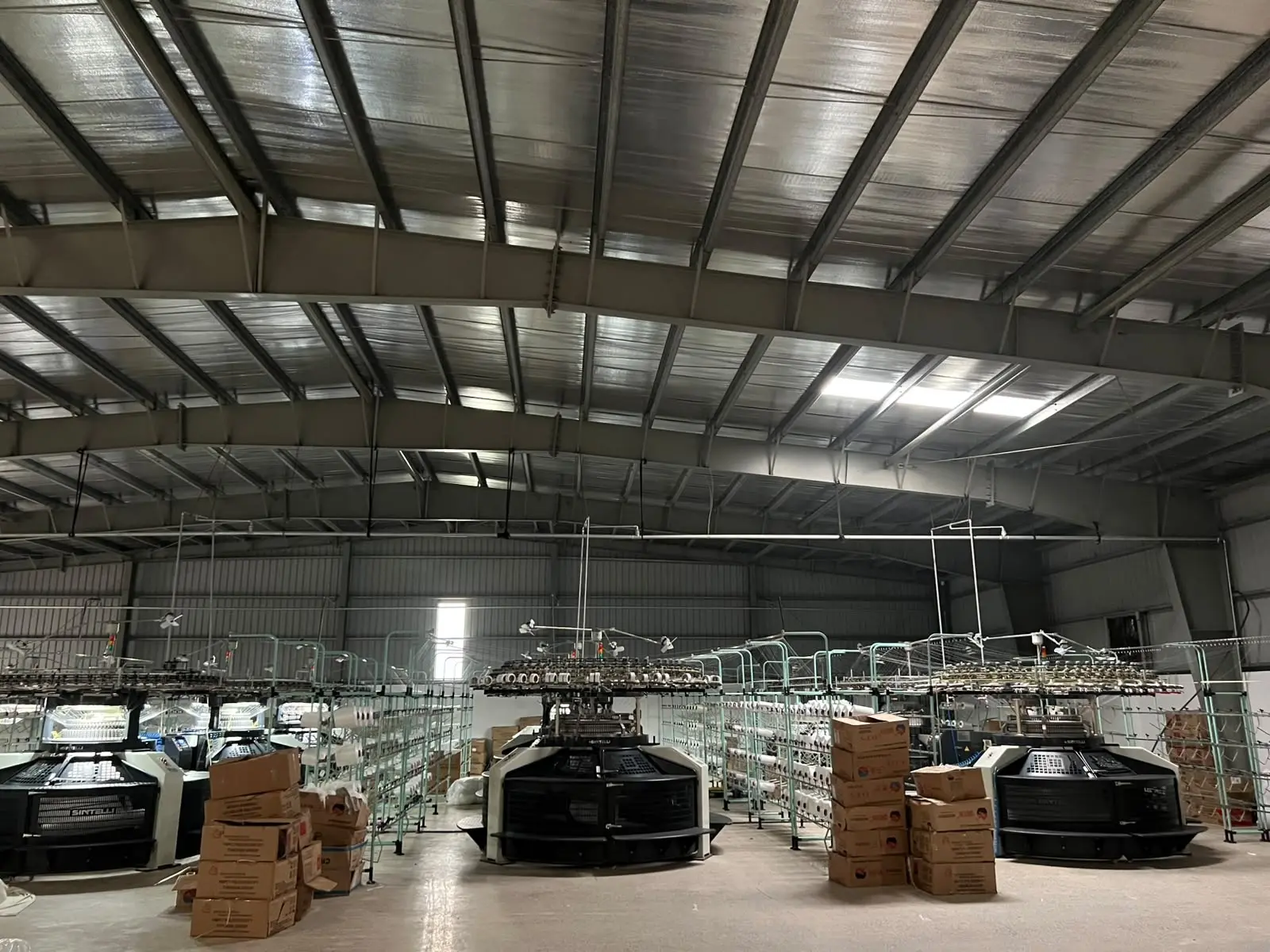
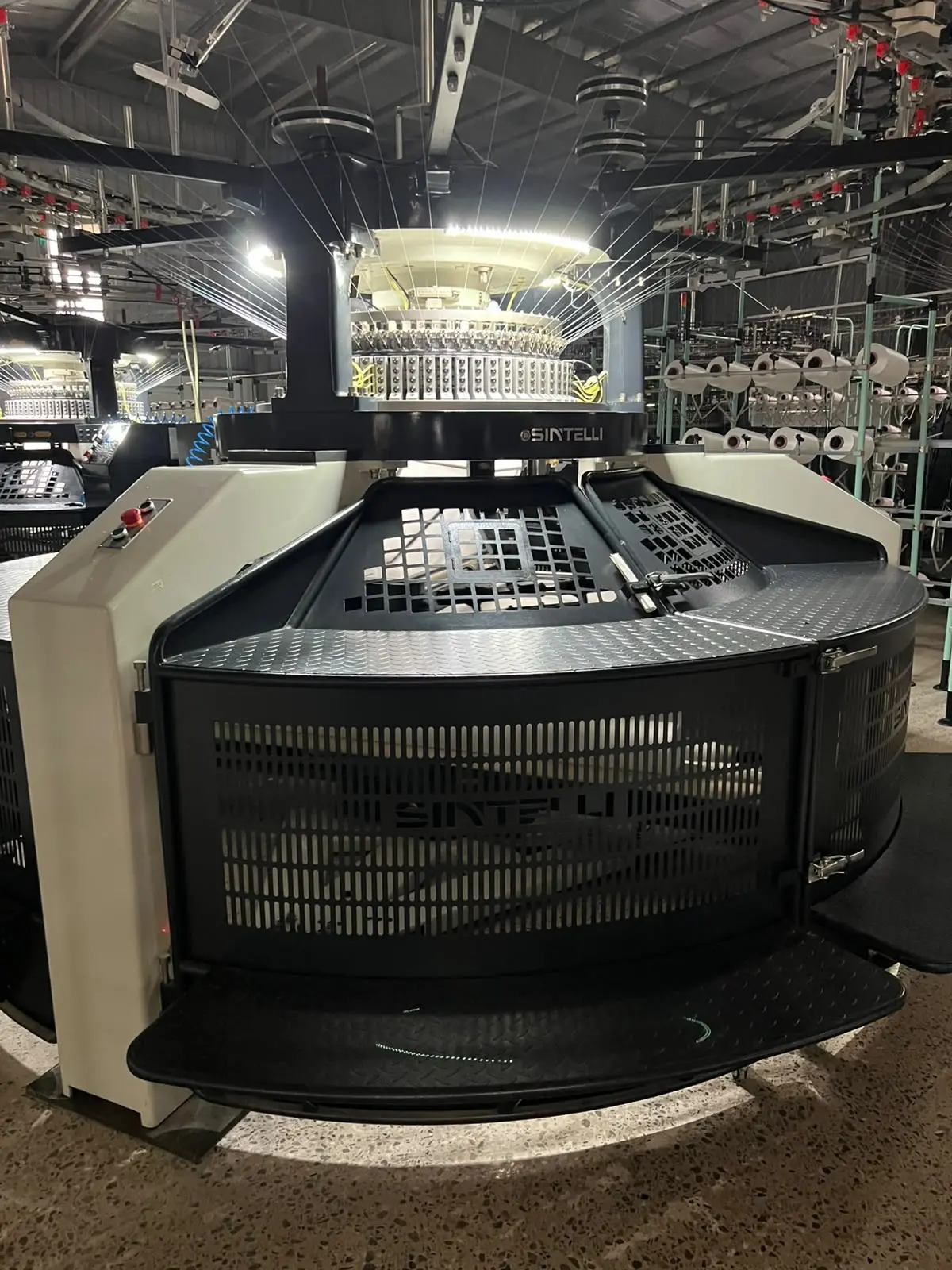
Circular knitting machines feed yarn round a cylinder and produce fabric in a continuous tube. This is the method behind single jersey, piqué, interlock, rib, fleece and terry - the fabrics found in t-shirts, polos, hoodies and joggers. Circular knit fabrics are soft, stretchy and comfortable, and the construction can be varied almost endlessly through yarn, gauge and structure.
Warp knit: stable, smooth and engineered
In warp knitting, many yarns run lengthwise and loop together along the length of the fabric. The result - for example tricot and polyester mesh - is smooth, dimensionally stable and resistant to running. It is widely used for sportswear, linings, team uniforms and technical garments, and it can be brushed for extra softness.
Which should you choose?
- Casual and fashion basics: circular knit gives the widest hand-feel choice.
- Sports teamwear and performance panels: warp-knit tricot and mesh are stable, light and breathable.
- Warmth: brushed fleece (circular) or brushed tricot (warp) depending on weight and handle.
Hasnat Textile knits both. If you are not sure which construction suits your product, send us a reference and we will recommend options and quote.